


Tips for Creating a Relaxing Home Workspace to Boost Productivity and Comfort
Creating a home workspace that is both relaxing and functional can significantly improve your productivity and well-being. Whether you work from home full-time or occasionally need a dedicated area for tasks, designing a space that feels comfortable and inspiring is key.
In this post, we’ll explore practical tips for setting up a home workspace that helps you stay focused and relaxed throughout your workday.
Why a Relaxing Workspace Matters
A home workspace that promotes relaxation doesn’t mean it’s a place to lounge all day. Instead, it balances comfort with functionality, making it easier to concentrate, reduce stress, and maintain energy. When your environment supports your work needs and personal preferences, you’re more likely to be productive and enjoy your time spent at your desk.
Choose the Right Location
Find a Quiet Spot
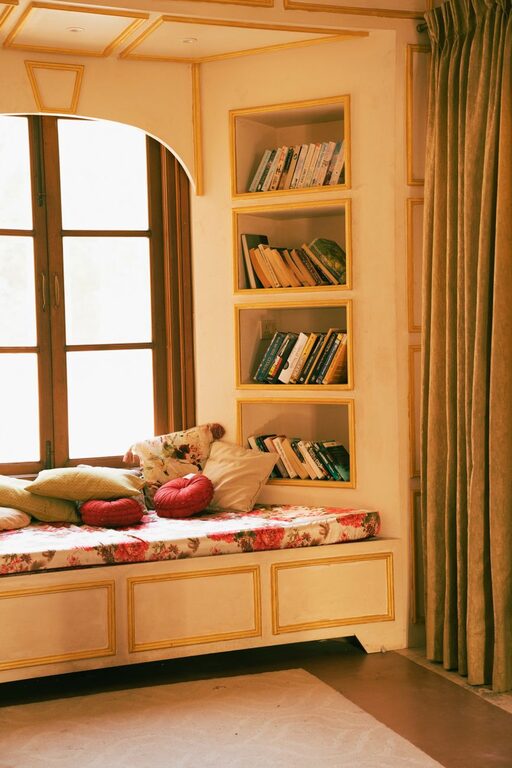
Select a space in your home where distractions are minimal. It could be a spare room, a corner in the living room, or even a nook near a window. The key is to find a place that offers some separation from daily household activities.
Consider Natural Light
Natural light has many benefits, including improving mood and energy levels. Position your desk near a window if possible, but avoid glare on your computer screen by using blinds or curtains.
Invest in Comfortable Furniture
Ergonomic Chair
An ergonomic chair provides support for your back, neck, and arms, helping to prevent discomfort during long work sessions. Look for adjustable features to customize the fit to your body.
Desk Size and Height
Choose a desk that fits your space and offers enough surface area for your equipment and supplies. The height should allow your arms to rest comfortably at a 90-degree angle when typing.
Organize Your Workspace for Efficiency
Declutter Regularly
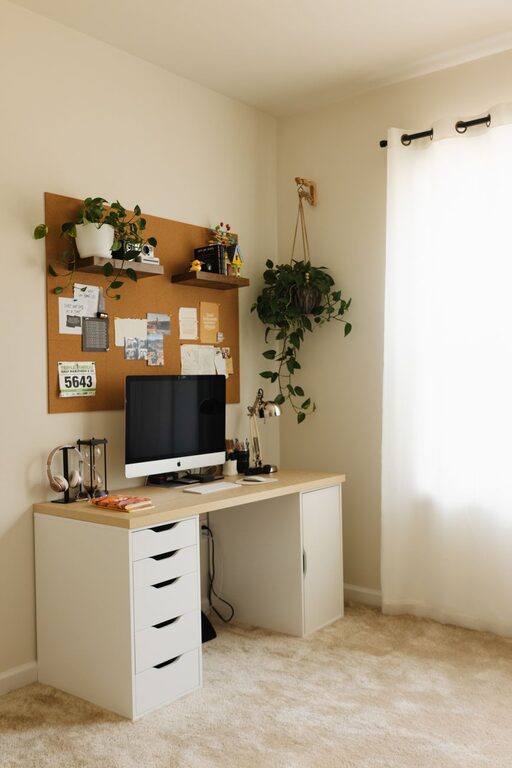
Keep only essential items on your desk to minimize distractions. Use organizers, trays, or drawers to store supplies neatly.
Use Cable Management
Tidy cables improve the look of your workspace and prevent tangling. Simple cable clips, ties, or sleeves can keep cords organized.
Add Personal Touches for Relaxation
Incorporate Plants
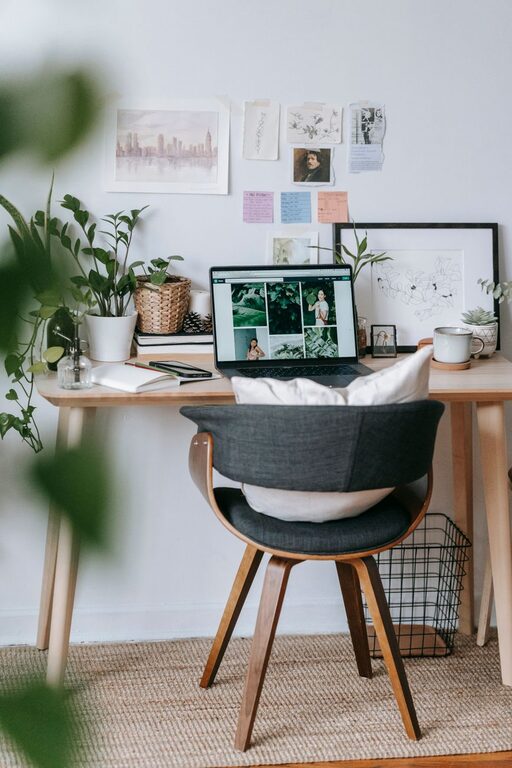
Indoor plants not only brighten the space but also help purify air and reduce stress. Easy-care options like succulents or peace lilies work well in home offices.
Choose Calming Colors
Colors affect your mood. Soft blues, greens, or neutral tones promote relaxation, while bright colors can boost energy.
Control Noise and Distractions
Use Noise-Canceling Headphones
If your workspace isn’t isolated, noise-canceling headphones can help you focus by blocking background sounds.
Background Music or White Noise
Some people find that gentle background music or white noise helps concentration. Choose sounds that don’t distract or disrupt your work flow.
Incorporate Break Areas
Create a Spot for Short Breaks
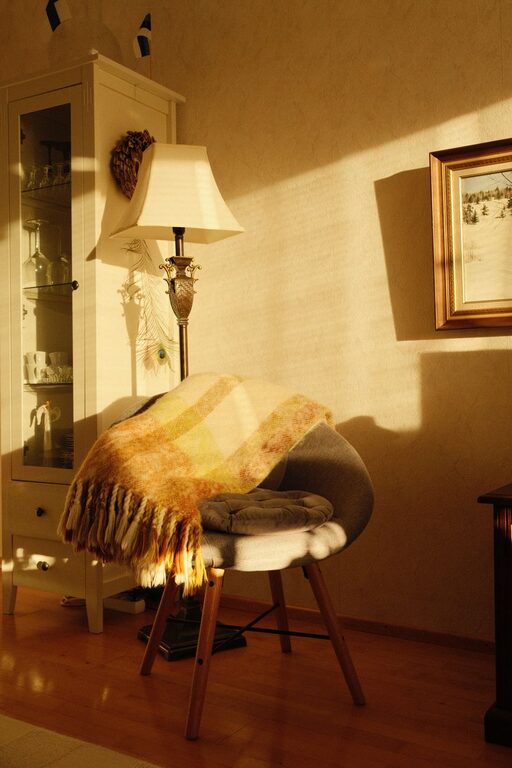
Having a comfortable chair or small couch nearby allows you to step away from your desk and relax for a few minutes during breaks, which can improve overall productivity.
Stretching and Movement
Include enough room in your workspace to stretch or do light exercises to reduce stiffness and keep your energy levels up.
Maintain Good Lighting for Eye Comfort
Use Adjustable Task Lighting
Desk lamps with adjustable brightness help prevent eye strain and allow you to control lighting based on the time of day or task.
Avoid Screen Glare
Position your monitor to minimize reflections from windows or overhead lights.
Set Boundaries and Routine
Define Work Hours
Create a schedule with clear start and end times to separate work from personal life, especially when working from home.
Communicate Boundaries
Let family or housemates know your work times to reduce interruptions.
Final Thoughts
Designing a relaxing home workspace is a valuable investment in your productivity and comfort. By thoughtfully choosing your location, furniture, and décor, while managing noise and organization, you can create an environment that helps you perform at your best. Remember, small changes can make a big difference, so start with a few tips that resonate most with you and build from there.
With a peaceful and well-arranged workspace, you’ll find it easier to focus, reduce stress, and enjoy working from home.